
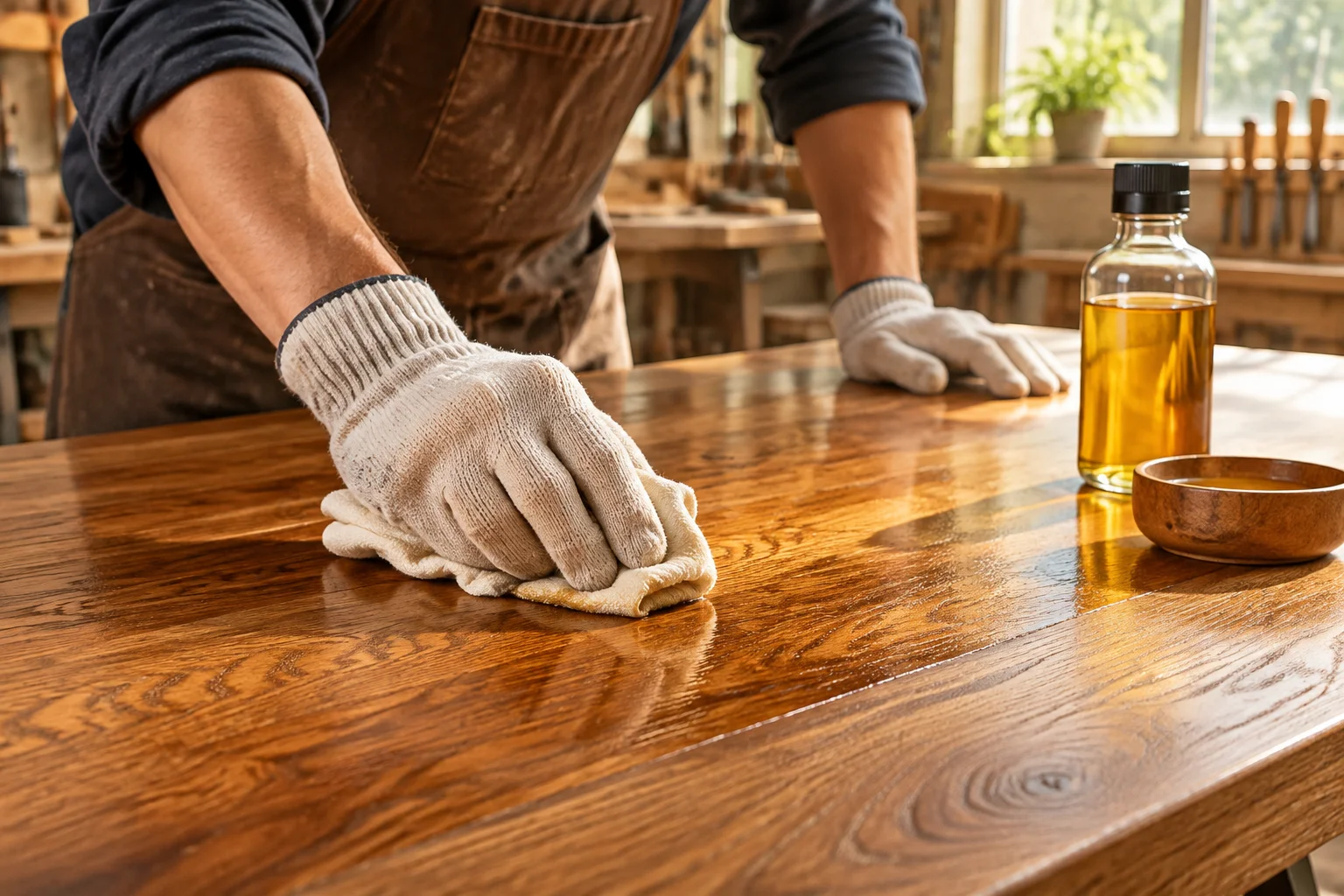
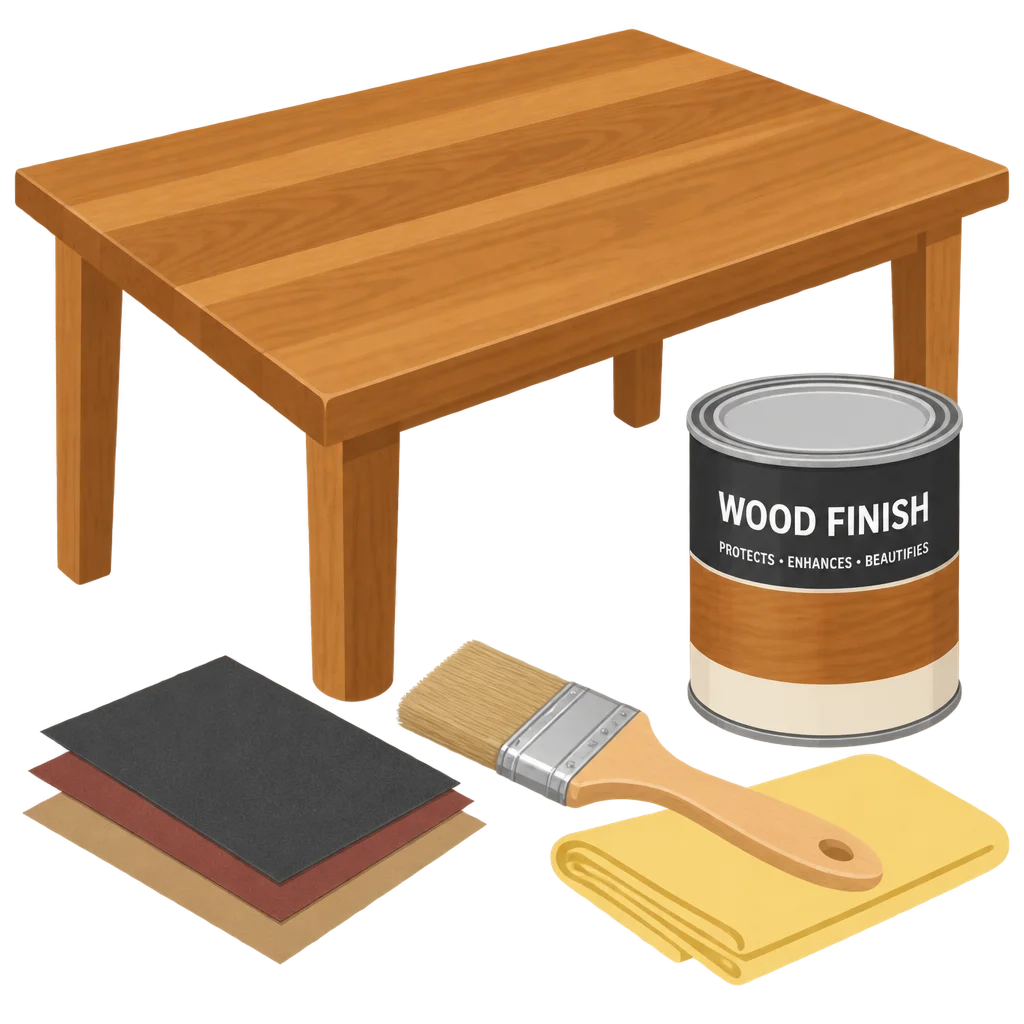
A handmade wooden table carries the character of the tree it came from, holding rings and fiber patterns that no factory machine can replicate. Treating that surface requires a medium that respects the organic nature of timber rather than trapping it beneath synthetic sheets. Hand-applied oil and wax finishes sink directly into the pores, nourishing the grain from within and creating a tactile connection that synthetic varnishes simply cannot match.
When a dining surface sees daily use by families, homework sessions, and late-night gatherings, it accumulates stories in the form of minor dents and spills. Choosing the right protective approach determines whether those marks become charming patina or permanent damage.
Understanding Why Natural Finishes Breathe
Wood is a hygroscopic material, meaning it constantly absorbs and releases moisture depending on the humidity of the room it inhabits. Synthetic varnishes form a hard plastic film over the timber, sealing it completely until the seasonal expansion of the wood causes the film to crack and peel.
Penetrating oils operate entirely differently by soaking into the cellular structure of the timber and hardening there. This leaves the pores open enough to regulate moisture naturally while blocking liquid spills from sinking deep into the core. Touching an oil-treated surface feels warm because the hand makes direct contact with the fibers of the tree instead of an intervening layer of industrial lacquer.
Comparing Oil and Wax to Varnish
Varnish provides an aggressive barrier against heavy water exposure, but it comes with distinct drawbacks for fine furniture. Once a varnished surface suffers a deep scratch, moisture penetrates the breach and creates dark grey spots beneath the plastic layer that require sanding the entire tabletop down to bare wood.
Natural oil and wax systems offer localized repairability that transforms maintenance into a simple household chore rather than a major workshop project. Minor scuffs blend away with a quick application of fresh material and a soft cloth.
- Varnish creates a brittle plastic shell
- Oils nourish the wood fibers internally
- Waxes provide a water-repellent top sheen
- Scratches on oil finishes buff out easily
- Natural ingredients emit zero harmful fumes
- Daily touch-ups require minimal equipment
The Process of Reapplying Finish at Home
Reviving a dry tabletop begins with thorough cleaning using a damp cloth and mild soap to lift accumulated dust and kitchen grease. Allow the surface to dry completely before introducing any fresh protective layers.
Pour a small amount of hardening oil directly onto the timber and rub it firmly along the direction of the grain using a lint-free cloth. Let the wood drink the liquid for about twenty minutes, then wipe away every trace of excess residue so the surface does not dry sticky. Finish the treatment by buffing a thin coat of beeswax across the entire table to seal the pores and impart a gentle, water-resistant sheen.
Preventing Common Maintenance Mistakes
Rushing the drying time remains the most frequent error made during home furniture maintenance. Piling fresh wax on top of uncured oil traps moisture and creates a cloudy film that requires harsh stripping solvents to remove.
Avoid harsh chemical sprays when cleaning finished wood on a daily basis, as alcohol and ammonia strip away the protective wax barrier within days. Simple warm water and a well-wrung microfiber cloth will keep the timber looking vibrant without washing away the natural defenses built up over years of careful oiling.
Embracing the ritual of seasonal oiling connects a household to the physical objects in it. A well-maintained wooden table absorbs the history of the home, aging gracefully through decades of family dinners and quiet mornings.

Comments
Applying the recommended oil and wax brought out the deep grain of my walnut dining table in a way polyurethane never could. The surface feels warm to the touch now.
Arthur Pendelton
I was terrified of ruining my new handcrafted oak table with spills, but following these steps for regular wax maintenance made water bead right up without leaving any permanent marks.
Clara Higgins
The instructions for buffing out minor scratches with a dab of oil were straightforward and saved me from calling a professional cabinet maker for a simple fix.
Beatrice Vance